
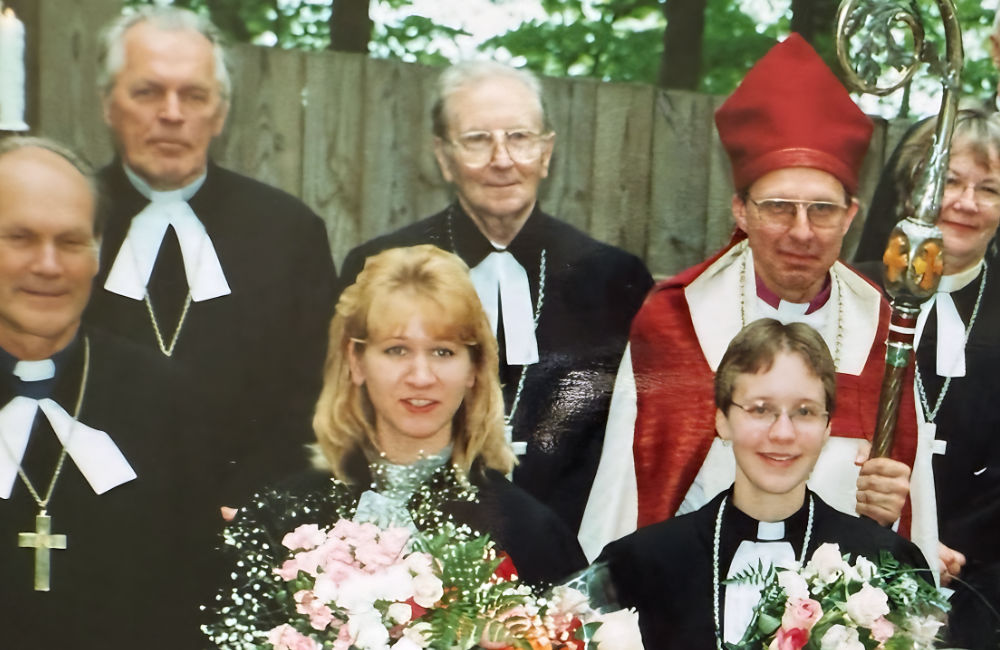
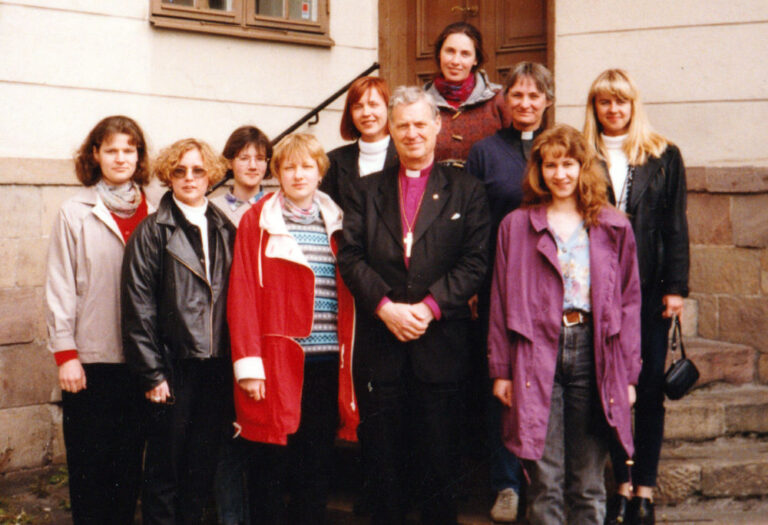
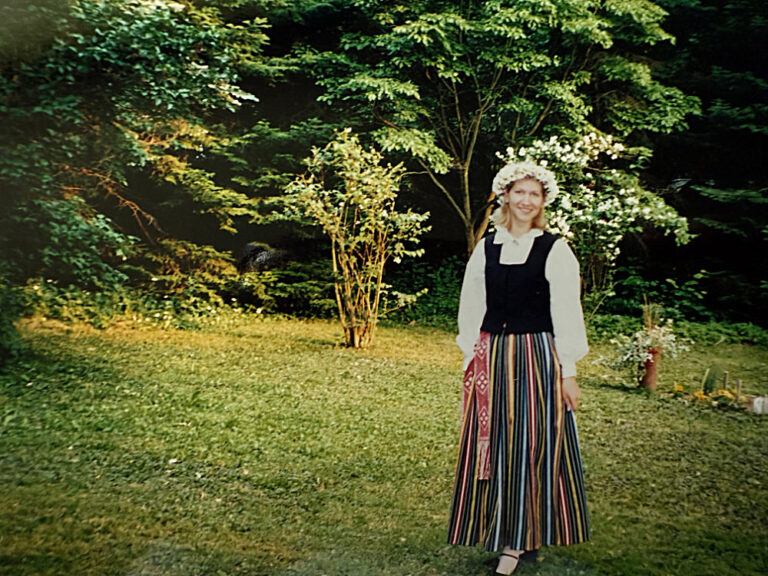
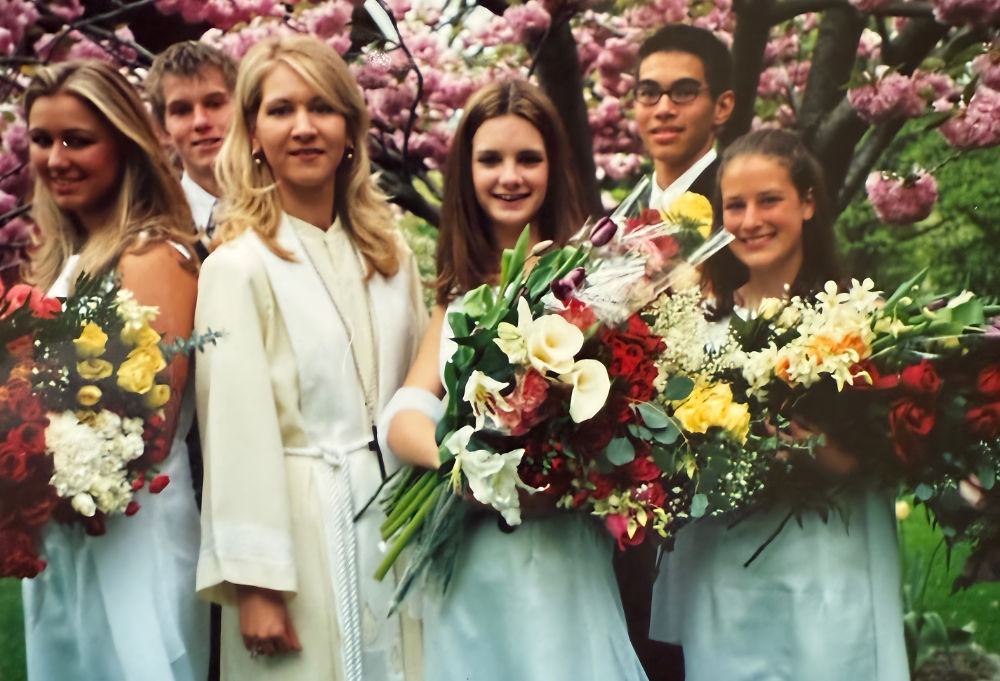
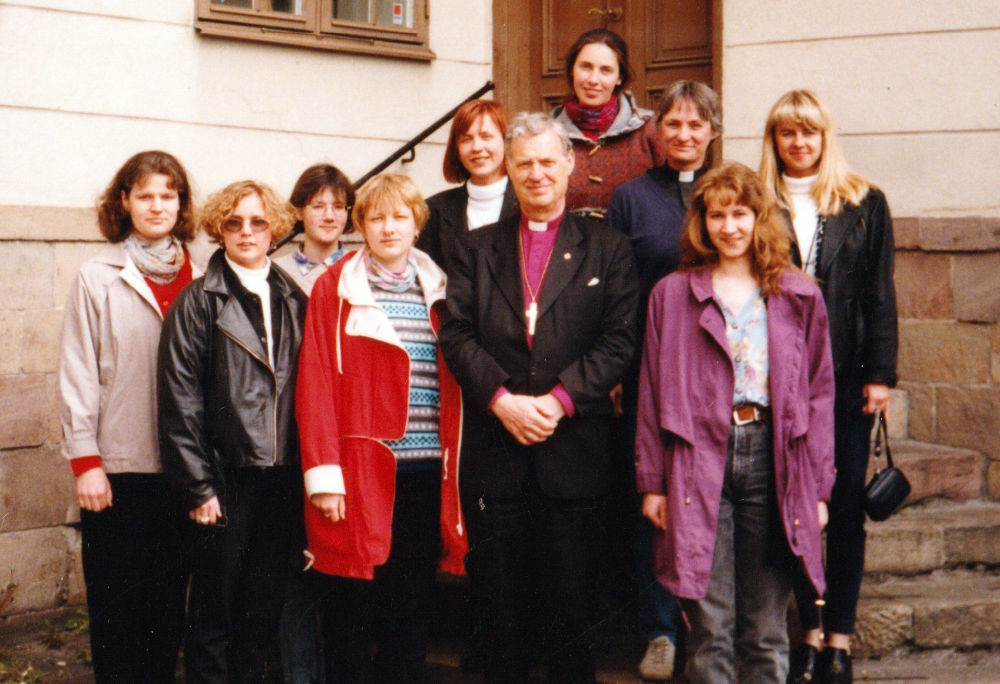
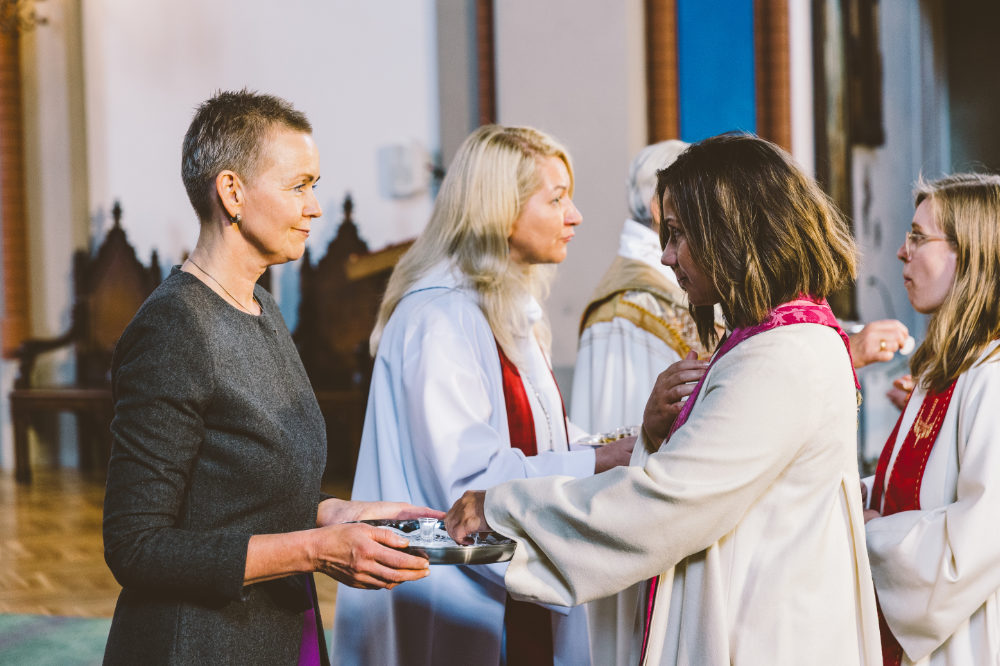
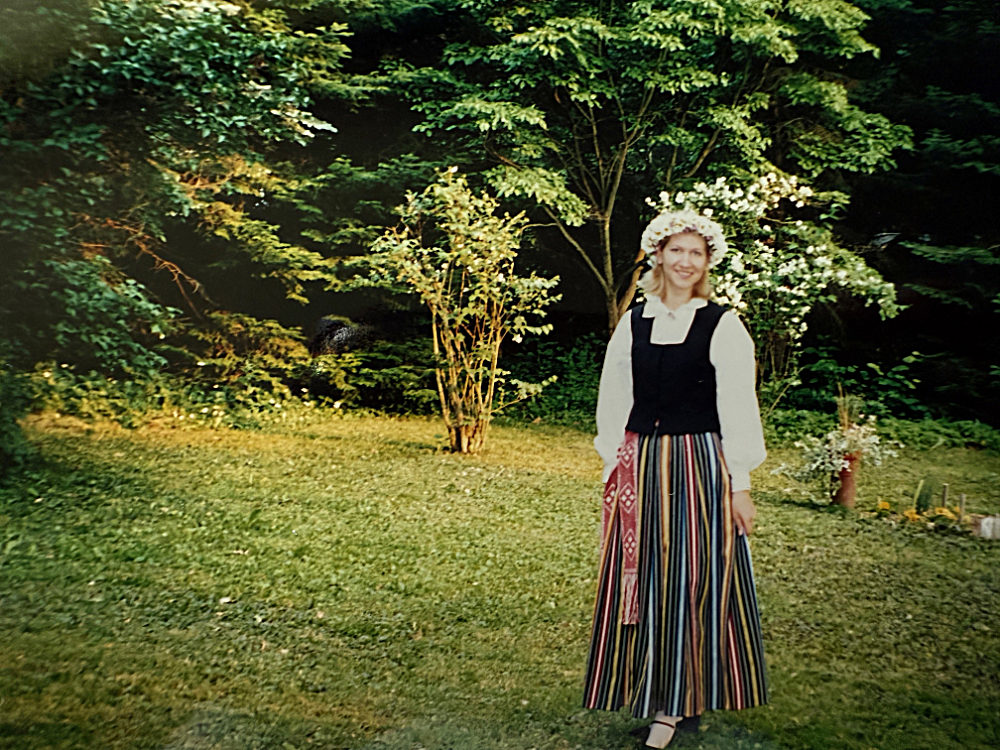
At first, she hoped to become a Christian journalist and began her theology studies convinced she would not become a pastor. Yet during a study trip to Sweden she clearly heard her calling: “See you in church!” and “Feed my sheep!”—the words of Jesus that symbolize the call to care for souls and serve as a pastor.
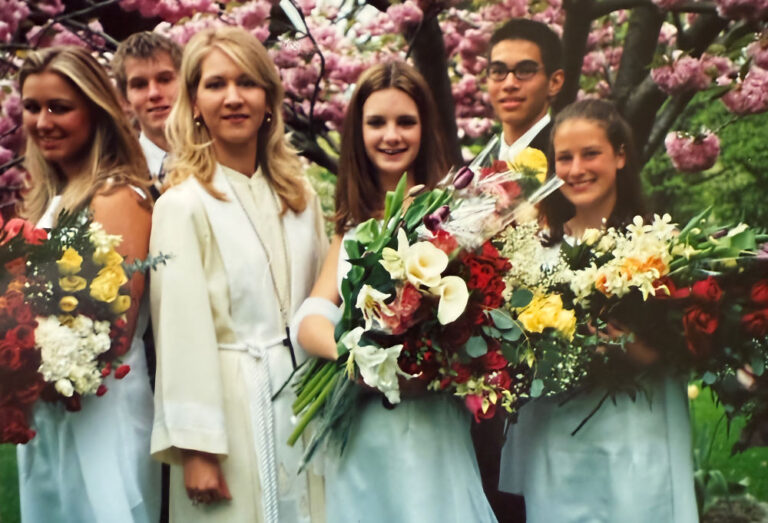
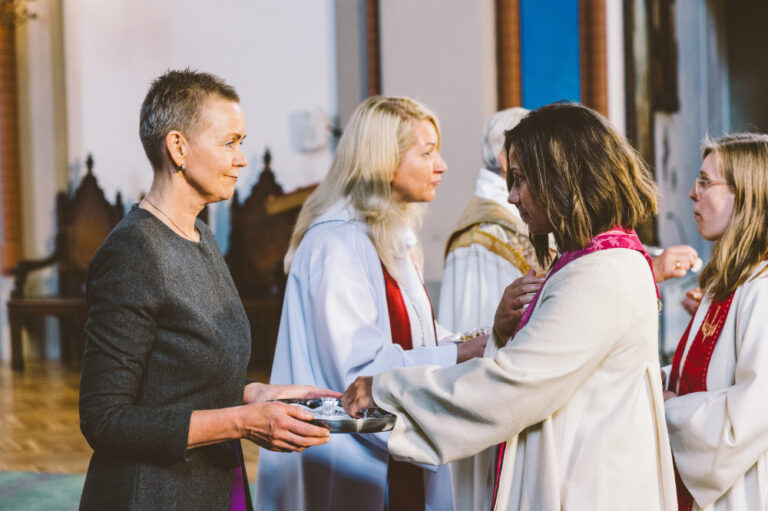
In 1999, Gundega moved to the United States, responding to the call of the Latvian congregation in Detroit. In 2000, she was ordained and continued serving that congregation until 2008, when she became pastor of Zion Church in Chicago, where she still serves today.
Gundega’s life is closely tied to the Latvian community in Chicago, which gives her a sense of safety and belonging. She is also a teacher at the Krišjānis Barons Latvian School and manages the Church archives. She is married and raising a son.
Gundega serves with the desire to touch people’s lives, emphasizing love and acceptance. She chooses to speak about strength, hope, and healing rather than dwelling on past injustices. She reminds her listeners that God loves everyone, regardless of status, mistakes, or life’s journey, and that in life there are no mistakes—only lessons.
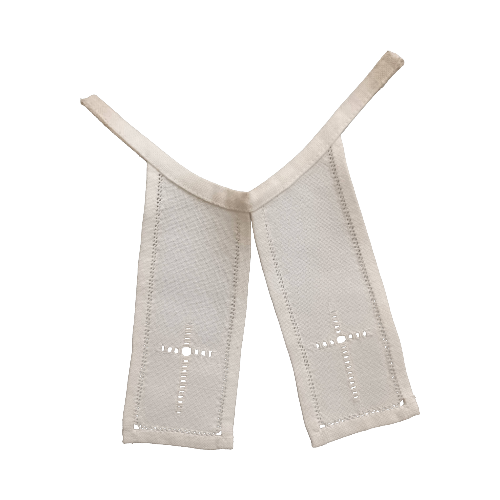
Beffchen – a preaching band, an element of clerical dress that affirms the right to preach God’s Word. Embroidered by Gundega Puidza in Detroit, USA, in 1999
When I began serving, I did not yet have a white alb. In the Detroit church sacristy, I found a black cassock, but it needed a beffchen. I realized I had to embroider one myself. I sat sewing the seams, and into each stitch I placed a prayer, because at that time I was still learning to cope with uncertainty about the future, insecurity about life in America, and doubts about whether I could step into the pastoral role in a congregation with a history that had never included a woman pastor.
I can truly say that this beffchen is a chain of my prayers—comforting myself and trusting God that everything would be well. Now I rarely use it, but I keep it as a testimony of God’s answers to my prayers—expressed in embroidery.
Gundega sākotnēji cerēja kļūt par kristīgo žurnālisti. Teoloģijas studijas Gundega uzsāka ar pārliecību, ka nekļūs par mācītāju. Taču studiju brauciena laikā Zviedrijā viņa skaidri sadzirdēja savu aicinājumu: “Tiksimies baznīcā!” un “Gani manas avis!” – Jēzus vārdus, kas simbolizē aicinājumu rūpēties par cilvēku dvēselēm un kalpot kā garīdzniecei.
1999. gadā Gundega pārcēlās uz Ameriku, atsaucoties Detroitas latviešu draudzes aicinājumam. 2000. gadā viņa tika ordinēta par mācītāju un turpināja kalpot šajā draudzē līdz 2008. gadam, kad kļuva par Čikāgas Ciānas draudzes mācītāju, kur kalpo joprojām.
Gundegas dzīve ir cieši saistīta ar Čikāgas latviešu kopienu, kas viņai sniedz drošības un piederības izjūtu. Viņa ir arī skolotāja Krišjāņa Barona latviešu skolā un vada Baznīcas arhīvu. Precējusies, audzina dēlu.
Gundega kalpo ar vēlmi pieskarties cilvēku dzīvēm, akcentējot mīlestību un pieņemšanu. Viņa izvēlas runāt par spēku, cerību un dziedināšanu, nevis kavēties pagātnes netaisnībās. Un atgādina: Dievs mīl visus, nešķirojot pēc statusa, kļūdām vai dzīves gājuma, turklāt dzīvē nav kļūdu, tikai mācību stundas.
Beffchen – a preaching band, an element of clerical dress that affirms the right to preach God’s Word. Embroidered by Gundega Puidza in Detroit, USA, in 1999
“When I began serving, I did not yet have a white alb. In the Detroit church sacristy, I found a black cassock, but it needed a beffchen. I realized I had to embroider one myself. I sat sewing the seams, and into each stitch I placed a prayer, because at that time I was still learning to cope with uncertainty about the future, insecurity about life in America, and doubts about whether I could step into the pastoral role in a congregation with a history that had never included a woman pastor.
I can truly say that this beffchen is a chain of my prayers—comforting myself and trusting God that everything would be well. Now I rarely use it, but I keep it as a testimony of God’s answers to my prayers—expressed in embroidery.”