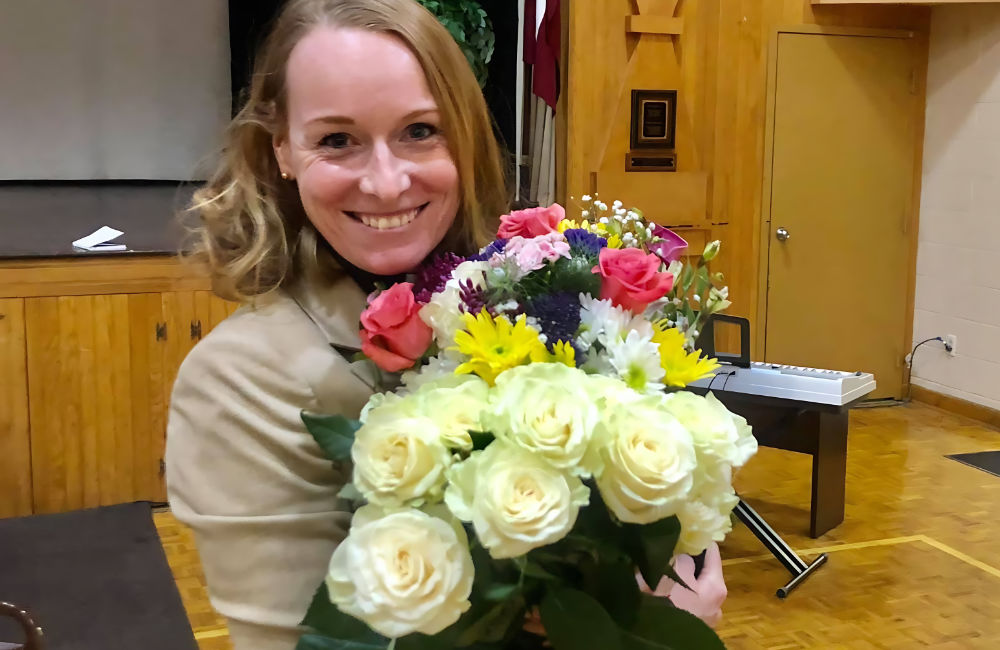

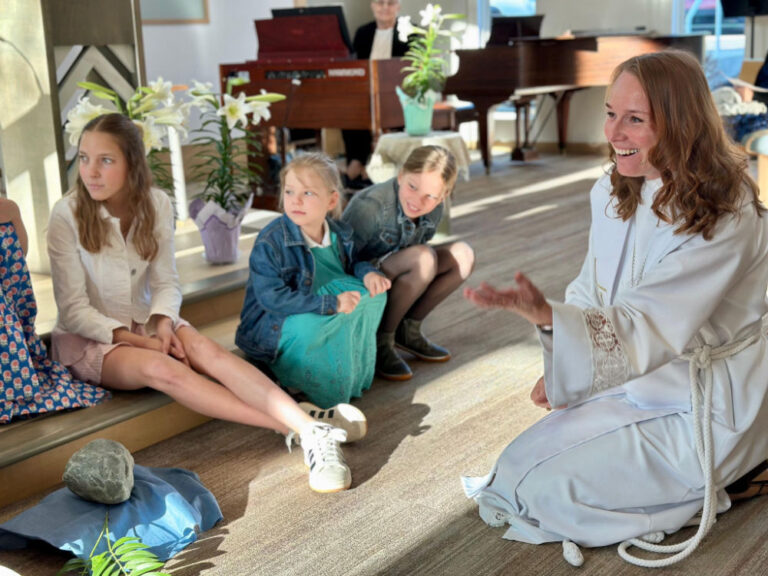
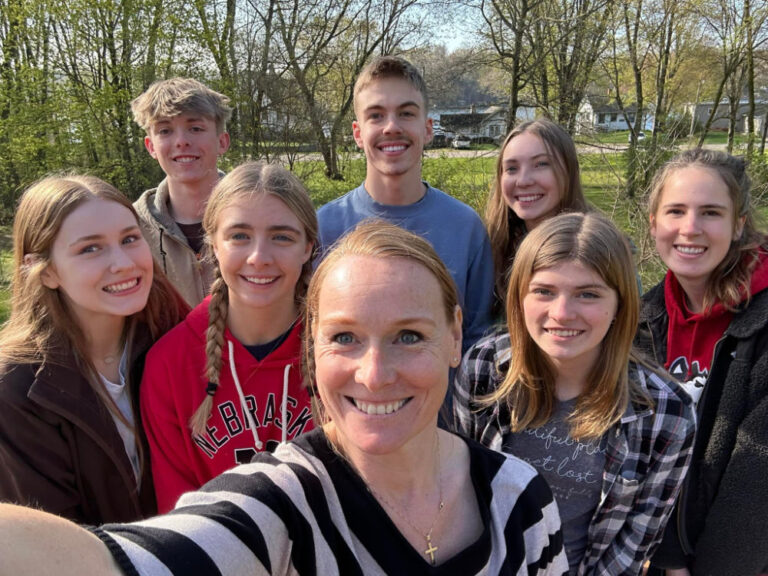
During a pilgrimage as a teenager, she sat down at the organ in Zilupe Church to play and felt a clear call from God: “You will serve me.” At first, she resisted, since at that time women were no longer ordained in Latvia. Still, Aija chose to study theology at the University of Latvia. Later she worked for several years as a journalist in the regional press, and someone once remarked that reading her articles felt like being in church.
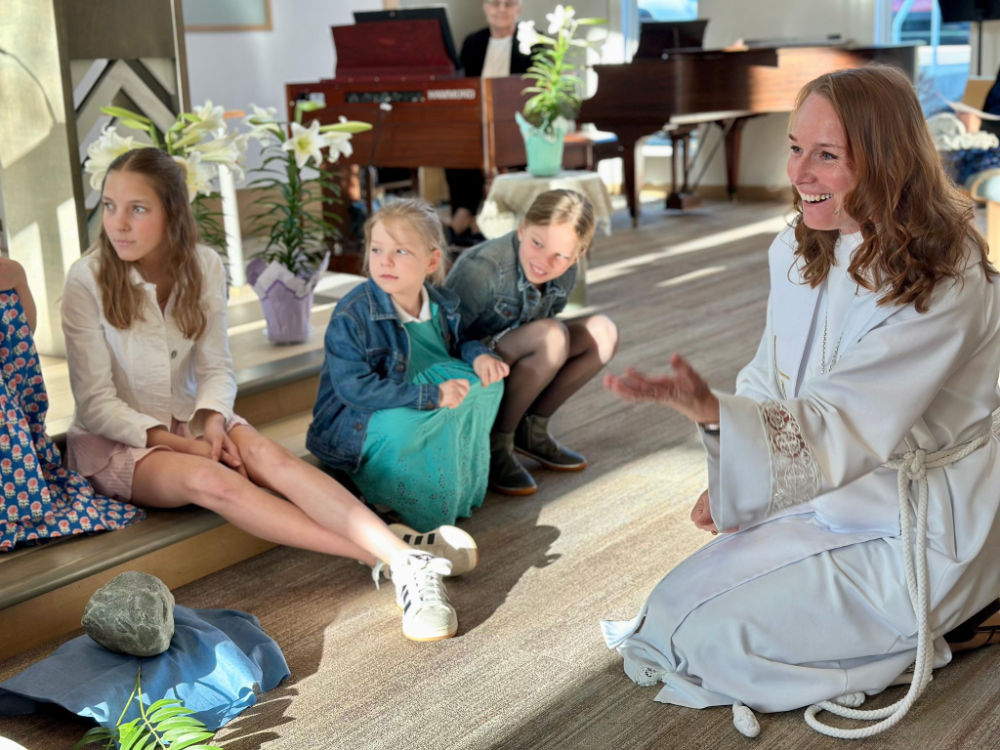
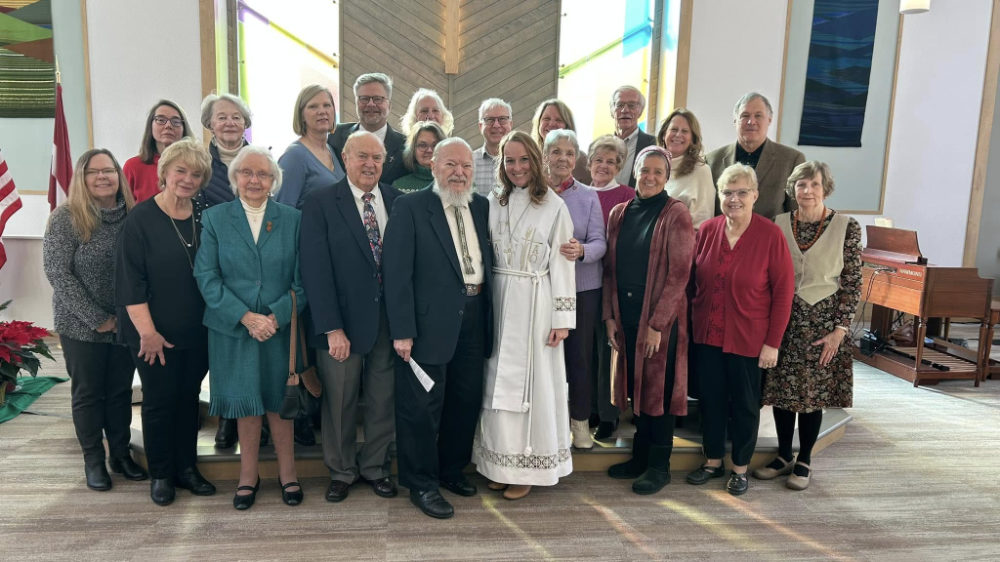
When Aija and her family moved to the United States in 2007, she agreed to assist the Detroit Latvian congregation, and in 2010 she was ordained as a pastor.
Aija serves the Latvian congregations in Kalamazoo, Lansing, and Grand Rapids. As a pastor, she enriches her spiritual understanding by reading Jewish rabbinical writings, Catholic texts, and literature from other traditions. She believes that relying on only one exclusive tradition would be like “dry bread” that cannot nourish—neither herself nor others.
Aija sees her mission as learning to truly love and extend grace both to herself and to others. To every person she meets, she seeks to offer God’s inclusive love.
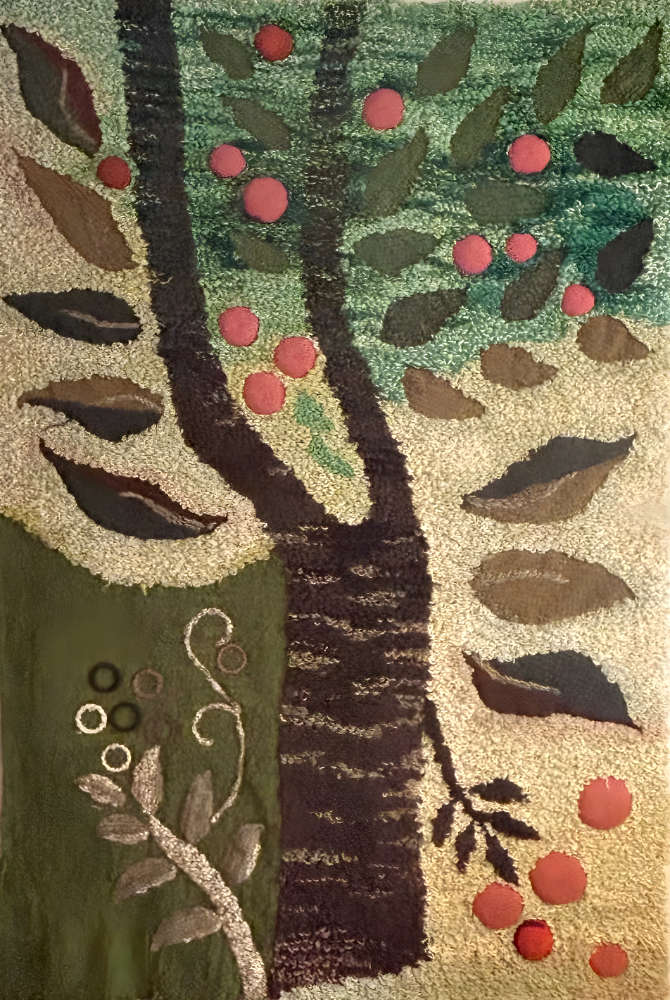
Wall hanging Tree of Life
Dzintra Kupuršmite Latvia. 2002.–2004. gadā
When I was 12 years old, my mother, then 41, was diagnosed with aggressive breast cancer. This crisis transformed our lives—it drew us closer to God, deepened our prayer life, and taught us to entrust ourselves to God’s hands in faith.
Supported by my mother, I began my service in the church, and strengthened by her, I pursued studies at the Faculty of Theology.
Years later, when the cancer returned and advanced, my mother began sewing a wall tapestry—a lasting gift for me: an apple tree with branches full of ripe fruit, some already fallen to the ground. She embroidered it in loop stitches—each thread carrying her prayer and blessing.
Even weakened by chemotherapy, she held the large tapestry on her lap, showing stitch by stitch her love for life and for me. She managed to complete the work, and it has always traveled with me—her apple tree, the Tree of Life from the Garden of Eden.
During a pilgrimage as a teenager, she sat down at the organ in Zilupe Church to play and felt a clear call from God: “You will serve me.” At first, she resisted, since at that time women were no longer ordained in Latvia. Still, Aija chose to study theology at the University of Latvia. Later she worked for several years as a journalist in the regional press, and someone once remarked that reading her articles felt like being in church.
When Aija and her family moved to the United States in 2007, she agreed to assist the Detroit Latvian congregation, and in 2010 she was ordained as a pastor.
Aija serves the Latvian congregations in Kalamazoo, Lansing, and Grand Rapids. As a pastor, she enriches her spiritual understanding by reading Jewish rabbinical writings, Catholic texts, and literature from other traditions. She believes that relying on only one exclusive tradition would be like “dry bread” that cannot nourish—neither herself nor others.
Aija sees her mission as learning to truly love and extend grace both to herself and to others. To every person she meets, she seeks to offer God’s inclusive love.
Wall hanging Tree of Life
Dzintra Kupuršmite Latvia. 2002.–2004. gadā
“When I was 12 years old, my mother, then 41, was diagnosed with aggressive breast cancer. This crisis transformed our lives—it drew us closer to God, deepened our prayer life, and taught us to entrust ourselves to God’s hands in faith.
Supported by my mother, I began my service in the church, and strengthened by her, I pursued studies at the Faculty of Theology.
Years later, when the cancer returned and advanced, my mother began sewing a wall tapestry—a lasting gift for me: an apple tree with branches full of ripe fruit, some already fallen to the ground. She embroidered it in loop stitches—each thread carrying her prayer and blessing.
Even weakened by chemotherapy, she held the large tapestry on her lap, showing stitch by stitch her love for life and for me. She managed to complete the work, and it has always traveled with me—her apple tree, the Tree of Life from the Garden of Eden.”