Austra Reine
(born 1958 in Los Angeles, California, USA) – pastor and emerita professor of theology
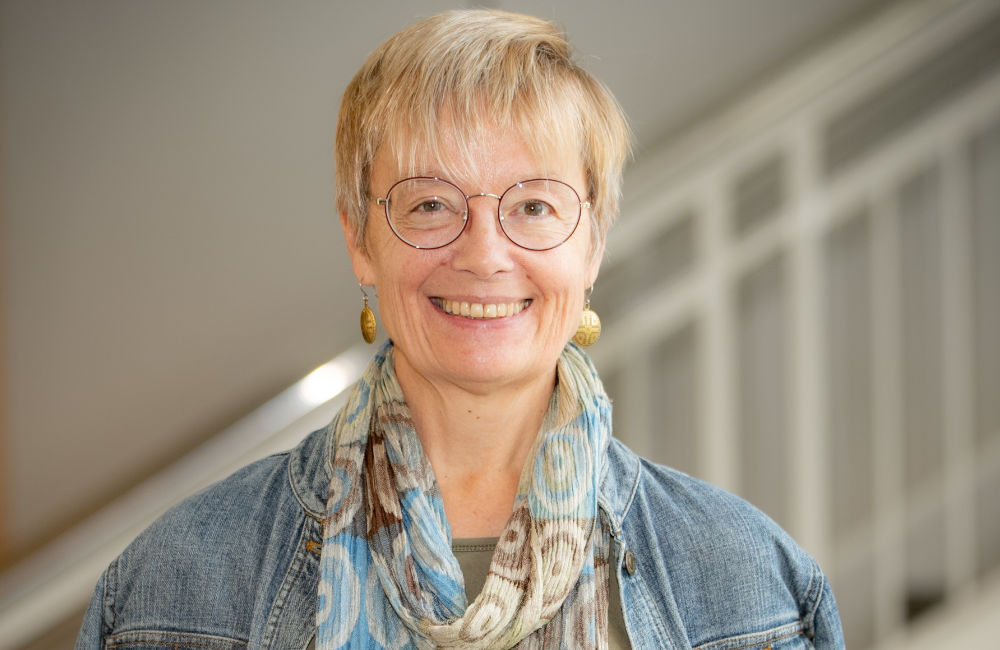
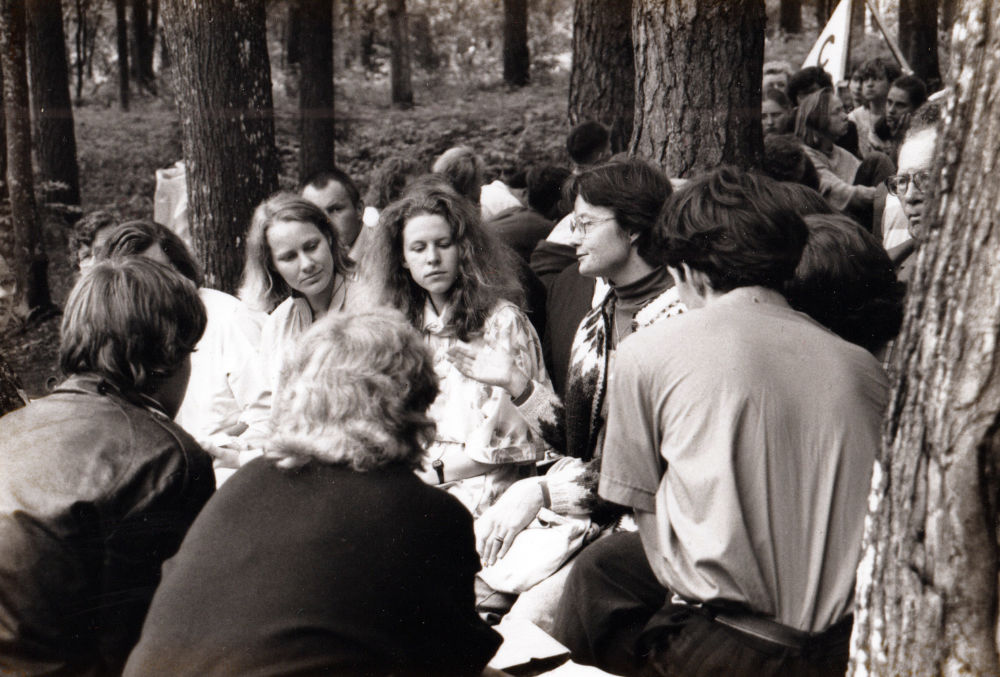
Due to her father’s work, her family moved frequently, which allowed her to experience different cultures and languages while maintaining a Latvian identity. On Sundays, they always attended church, and Austra began reading the Bible as a child, feeling personally addressed by its words.
Austra studied in various countries. At the Latvian Gymnasium in Münster, she was both a student and later a teacher. In 1981, while studying the Latvian language in Sweden, she visited Riga for the first time.
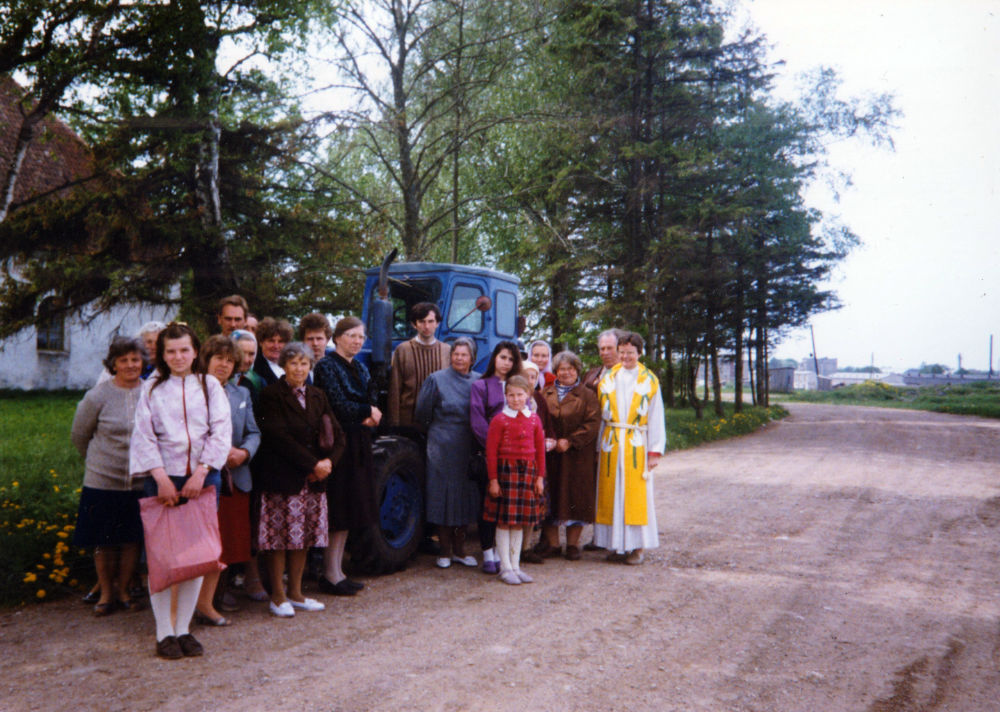
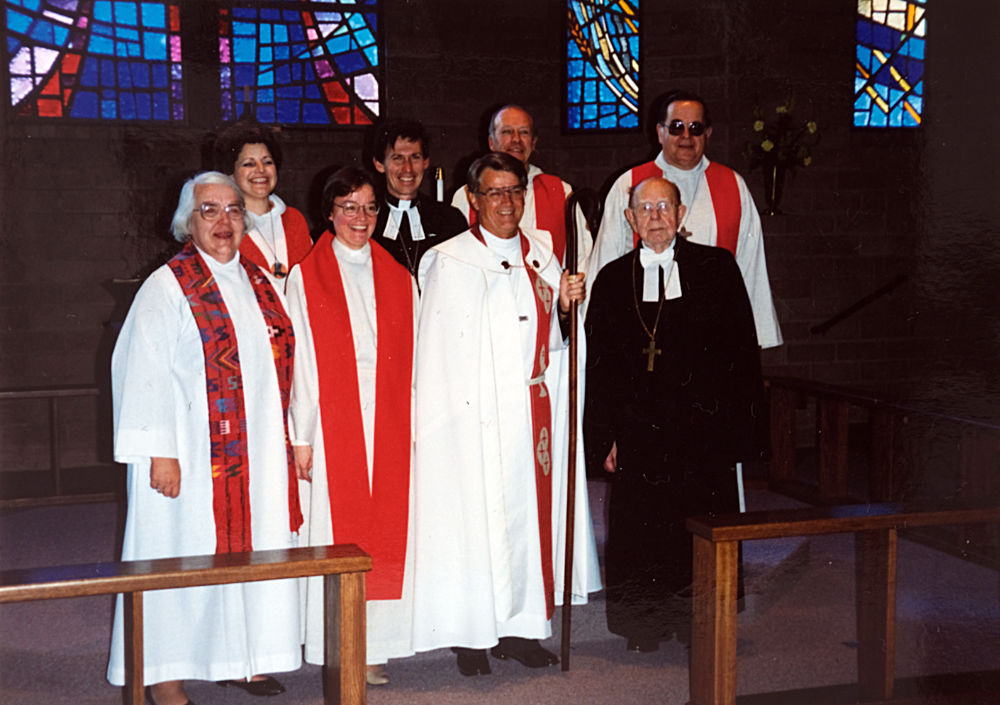
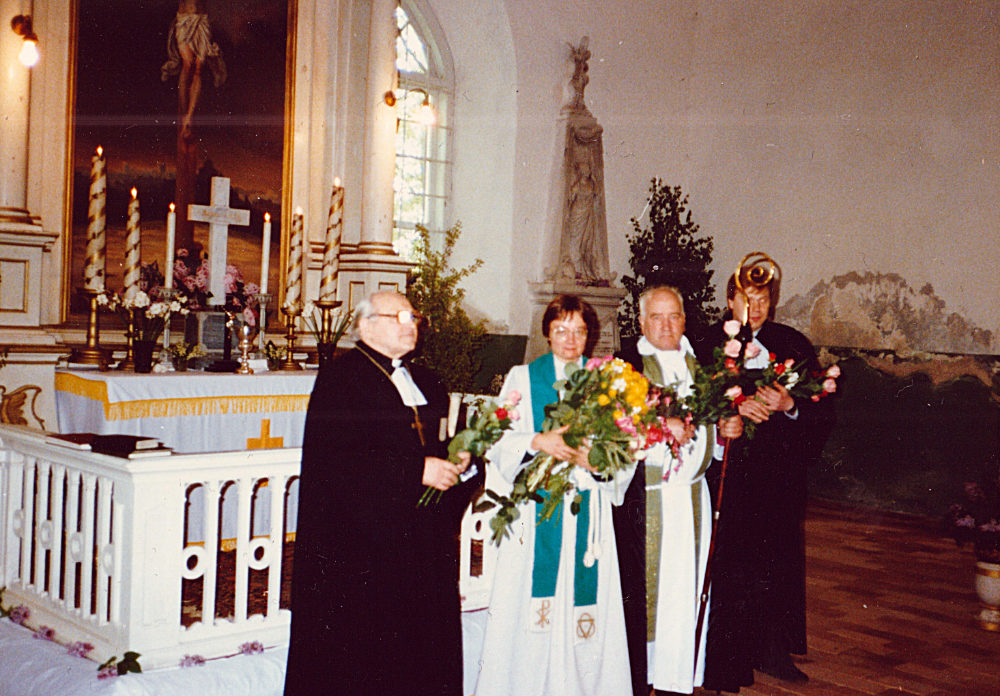
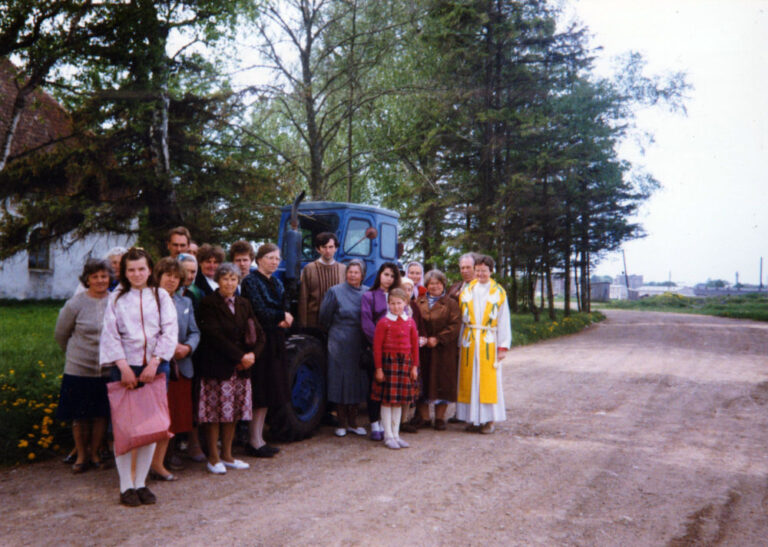
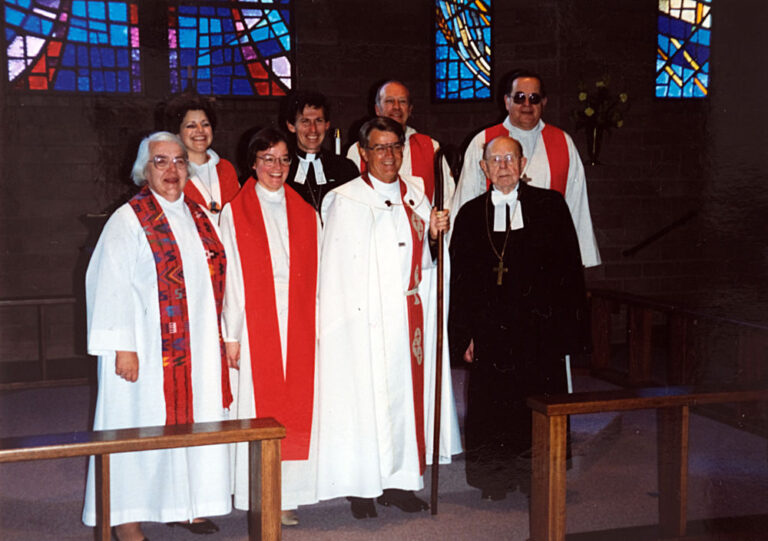
From 1986 to 1989, she studied theology in the United States and was ordained in the American Lutheran Church. After her ordination, in 1991 Austra went to Latvia, serving in the congregations of Piltene and Užava until 1994.
When the newly elected LELB (Latvian Evangelical Lutheran Church) archbishop Vanags announced by letter that her service was no longer needed, Austra turned to other responsibilities, including work with the Faculty of Theology at the University of Latvia. In 1995, she was one of the founders of the Association of Latvian Lutheran Theologians (Latvijas Luterāņu sieviešu teoloģu apvienība, LLSTA).
Austra returned to the United States, continued her theological studies, and earned a doctoral degree specializing in the history of the Reformation-era church. For many years, she was a professor of theology at the University of Missouri. She currently lives in Germany, remains actively involved in LLSTA, and serves as chair of its board.
Austra has observed that women theologians in Latvia tend to be less dogmatic than male pastors and more often emphasize the message of joy rather than the message of sin and repentance.
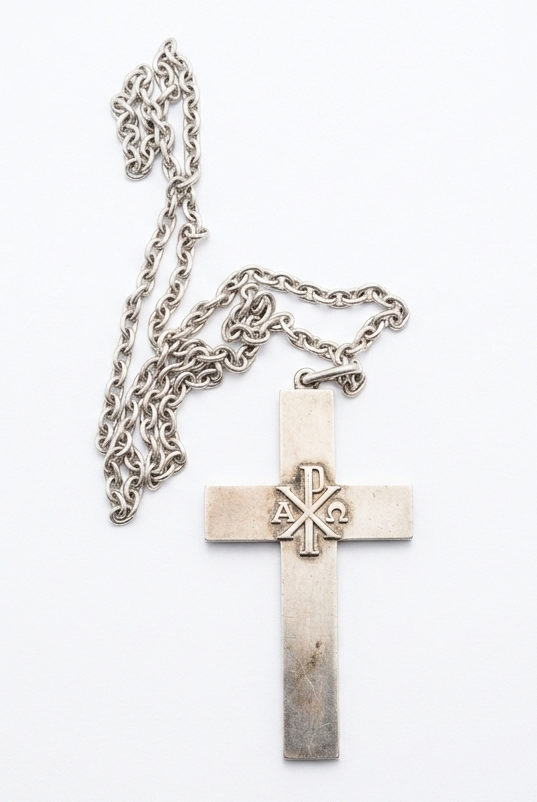
Pastor’s cross, belonged to Pastor Gustavs Kņess-Kņezinskis (1903–2003) in California, USA. Given to Austra Reine while studying theology and preparing for ordination
Pastor Gustavs Kņess-Kņezinskis (1903–2003) was conscientious, very kind, and a loving person. For many years, he served the Oakland congregation across the bay from San Francisco and retired only after he was over eighty. His home was a place for congregation coffee gatherings, and I remember both good Latvian and Latgalian food.
When I had decided to study theology and returned to California, I occasionally attended Latvian church services. Pastor Kņess-Kņezinskis supported me, showed great interest in my studies, and invited me to visit. He gifted me some old books and later also his pastor’s cross. He was simply very happy that a young person from his congregation was studying theology.
The pastor’s cross is a symbol of service, presented at ordination and placed around the pastor’s neck as a sign of calling and responsibility. It is often passed on to the next generation of pastors, affirming the continuation of service and faith.
There were so many practical matters to address because local resources were almost nonexistent. It was a time of poverty that is hard to understand now: sudden severe inflation, newspaper reports of suicides, and a sense that people were losing their dignity. People had worked hard and lived properly their whole lives, but suddenly found themselves in a situation where they did not know whether to choose food or heat.”

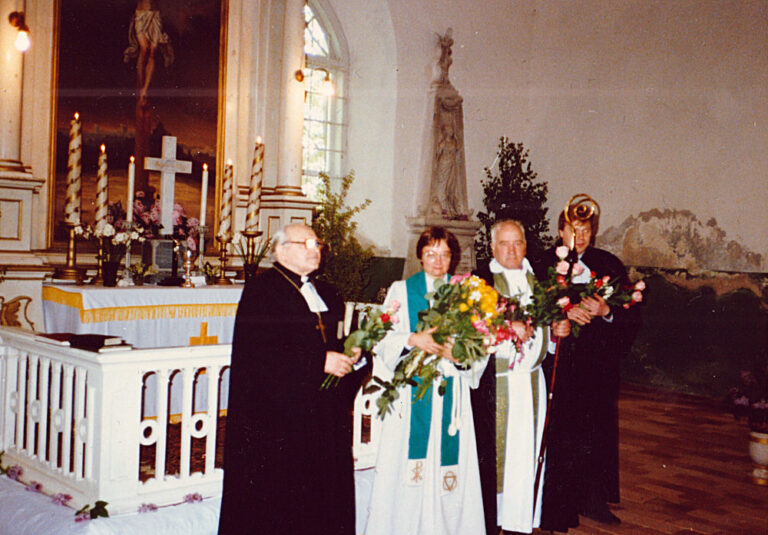
Austra Reine
(born 1958 in Los Angeles, California, USA) – pastor and emerita professor of theology
Tēva darba pienākumu dēļ, ģimene bieži pārcēlās, tas ļāva iepazīt dažādas kultūras un valodas, vienlaikus saglabājot latvisko identitāti. Svētdienās viņi vienmēr devās uz dievkalpojumu, un Austra jau bērnībā sāka lasīt Bībeli, sajūtot, ka tiek personīgi uzrunāta.
Austra mācījusies dažādās valstīs. Minsteres latviešu ģimnāzijā viņa bijusi gan skolniece, gan vēlāk skolotāja. 1981. gadā, studējot latviešu valodu Zviedrijā, Austra pirmo reizi apmeklēja Rīgu.
1986.–1989. gadā viņa studēja teoloģiju ASV un tika ordinēta Amerikas Luterāņu baznīcā. Pēc ordinācijas 1991. gadā Austra devās uz Latviju, kur līdz 1994. gadam kalpoja Piltenes un Užavas draudzē.
Kad jaunievēlētais LELB arhibīskaps vēstulē paziņoja, ka viņas kalpošana vairs nav vajadzīga, Austra pievērsās citiem pienākumiem – piedalījās Latvijas Universitātes Teoloģijas fakultātes darbā. 1995. gadā viņa bija viena no Latvijas Luterāņu sieviešu teoloģu apvienības (LLSTA) dibinātājām.
Austra atgriezās ASV, turpināja teoloģijas studijas un ieguva doktora grādu, specializējoties reformācijas laika baznīcas vēsturē. Daudzus gadus viņa bija teoloģijas profesore Misūri Universitātē. Šobrīd Austra dzīvo Vācijā, ir aktīvi iesaistījusies LLSTA darbībā un pilda valdes priekšsēdētājas pienākumus.
Austra pieredzējusi, ka sievietes teoloģes Latvijā mēdz būt mazāk dogmatiskas nekā mācītāji vīrieši un biežāk uzsver prieka vēsti, nevis vēsti par grēku un grēku nožēlu.
Pastor’s cross, belonged to Pastor Gustavs Kņess-Kņezinskis (1903–2003) in California, USA. Given to Austra Reine while studying theology and preparing for ordination
“Pastor Gustavs Kņess-Kņezinskis (1903–2003) was conscientious, very kind, and a loving person. For many years, he served the Oakland congregation across the bay from San Francisco and retired only after he was over eighty. His home was a place for congregation coffee gatherings, and I remember both good Latvian and Latgalian food.
When I had decided to study theology and returned to California, I occasionally attended Latvian church services. Pastor Kņess-Kņezinskis supported me, showed great interest in my studies, and invited me to visit. He gifted me some old books and later also his pastor’s cross. He was simply very happy that a young person from his congregation was studying theology.”
The pastor’s cross is a symbol of service, presented at ordination and placed around the pastor’s neck as a sign of calling and responsibility. It is often passed on to the next generation of pastors, affirming the continuation of service and faith.
There were so many practical matters to address because local resources were almost nonexistent. It was a time of poverty that is hard to understand now: sudden severe inflation, newspaper reports of suicides, and a sense that people were losing their dignity. People had worked hard and lived properly their whole lives, but suddenly found themselves in a situation where they did not know whether to choose food or heat.”